
How to Secure Patio Doors With the Right Glass and Locks

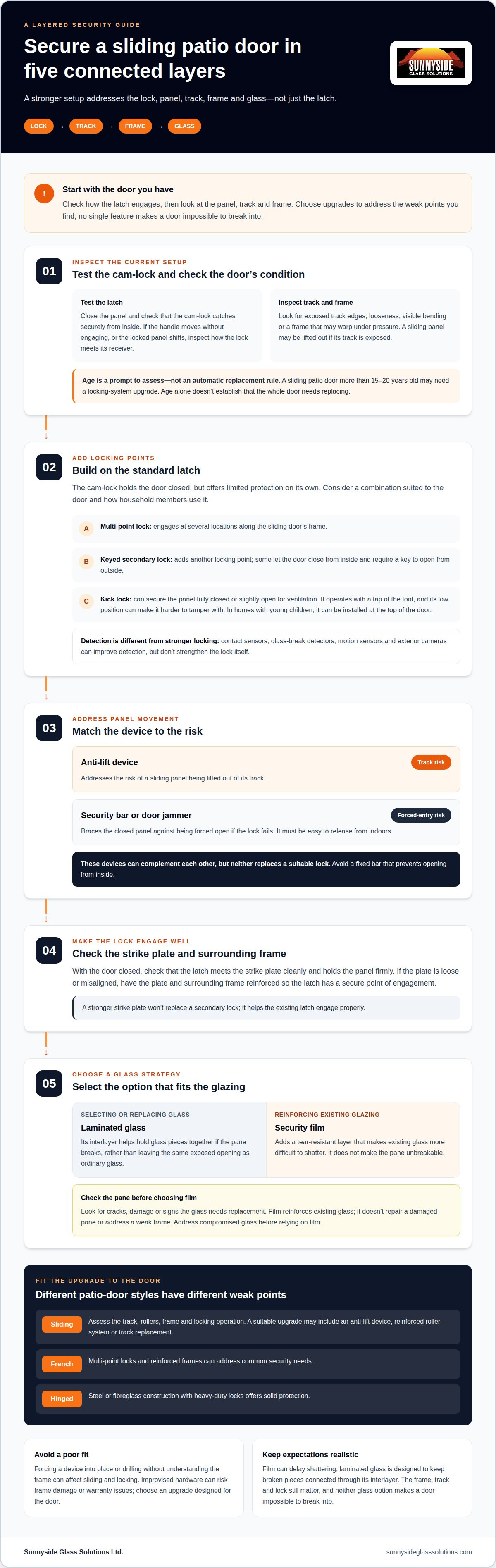
A strong lock alone isn’t the best way to secure patio doors. A more complete approach pairs a suitable locking system with measures that make the glass and sliding panel harder to force or lift. Addressing these weak points together is the best way to secure patio doors.
It’s understandable to focus first on the lock, since it’s the part you use every day. But the door’s construction matters too. Security film can reinforce existing glass and make it more difficult to shatter, while laminated glass is another option when selecting a door.
This guide explains what makes a sliding glass door more secure and how protection differs for sliding, French and hinged patio doors. You’ll also learn how locks, tracks, laminated glass and security film work together, so you can identify practical home upgrades without assuming any single feature makes a door impossible to break into.
Table of Contents
What makes a high-security sliding glass door?
Start by checking the existing latch, then assess how secondary locks and the door frame work together. A stronger setup addresses both the locking points and how the door responds to pressure.
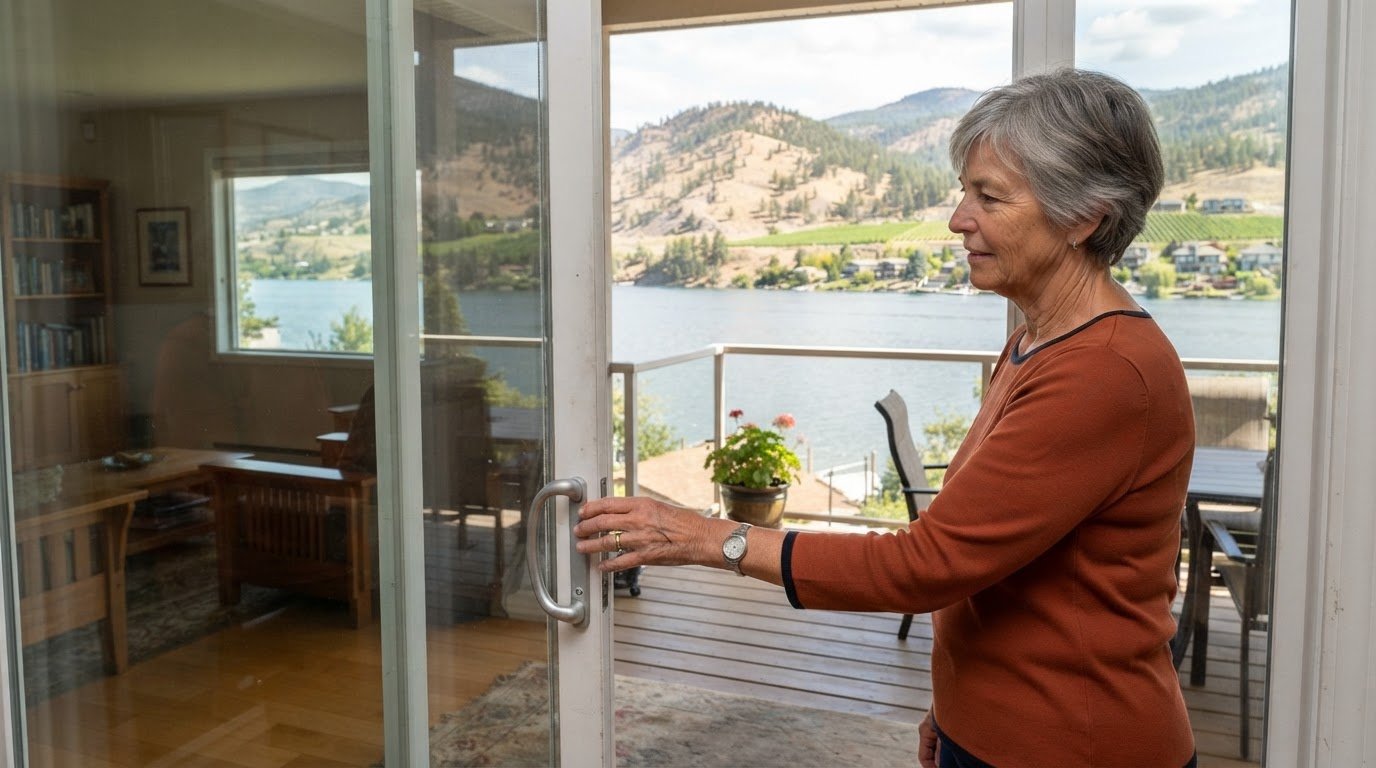
Check the standard cam-lockClose the panel and test whether the cam lock catches securely from inside. Sliding patio doors commonly have this latch, which holds the door closed but offers limited protection against a break-in. If the handle moves without engaging the latch, or the panel shifts while locked, inspect how the lock meets its receiver. Don’t rely on the standard cam lock as the only barrier.
Add multi-point or secondary locksConsider a multi-point locking system, which engages at several locations along the sliding door’s frame. A keyed secondary lock can add another locking point; some key locks let the door close from inside and require a key to open from outside. A sliding patio door more than 15 to 20 years old may need a locking-system upgrade. Contact sensors, glass-break detectors, motion sensors and exterior cameras can improve detection, but don’t strengthen the lock itself.
Combine locks for added protectionPair the cam lock with a secondary lock or kick lock when the door’s design allows. A kick lock can secure the panel fully closed or slightly open for ventilation, and you can operate it with a tap of your foot. Its low position can make it harder to tamper with. In homes with young children, a kick lock can be installed at the top of the door. Choose a combination that still lets household members use the door as intended.
Reinforce the lock and strike plateWith the door closed, check that the latch meets the strike plate cleanly and holds the panel firmly. If the plate is loose or misaligned, have the plate and surrounding frame reinforced so the latch has a secure point of engagement. Patio-door security upgrade costs in Canada depend on the lock type, door condition and installation work; the price is provided after a quote request. A stronger strike plate won’t replace a secondary lock, but it helps the existing latch engage properly.
Security features of French, sliding, and hinged patio doors
Match each upgrade to the door’s weak point: the lock, frame, track or glass.
Identify common sliding-door vulnerabilitiesInspect the sliding panel’s track and frame for exposed edges, looseness or visible bending. An exposed track can let someone lift the panel out of its frame, while a poorly constructed frame may warp under pressure. French patio doors benefit from multi-point locks and reinforced frames. For hinged patio doors, steel or fibreglass construction with heavy-duty locks offers solid protection.
Compare bars with anti-lift devicesChoose an anti-lift device to address the risk of a sliding panel being removed from its track. A security bar or door jammer serves a different purpose: it braces the closed panel against being forced open if the lock fails. Bars and anti-lift devices can complement each other, but neither replaces a suitable lock. A bar must also be easy to release from indoors.
Protect the track and avoid frame damageChoose track security that suits the door, such as an anti-lift device, reinforced roller system or track replacement. Avoid forcing a device into place or drilling without understanding the frame construction. A poor fit can affect sliding and locking. To reduce the risk of frame damage or warranty issues, choose an upgrade designed for the door rather than modifying it with improvised hardware.
Assess upgrades and door replacementHave the door’s age, frame condition, track, rollers, and locking operation assessed before deciding between an upgrade and replacement. A sliding patio door more than 15 to 20 years old may need a locking-system upgrade, but age alone doesn’t establish that the whole door needs replacing. DIY changes can misalign the panel, damage the frame, or leave the lock difficult to operate. For glass reinforcement, security film installation can make existing glass more difficult to shatter. Treat escape access as a design consideration: avoid a fixed bar that prevents opening from inside. Canadian code requirements aren’t uniform for every door and installation, so don’t assume one bar arrangement suits every home.
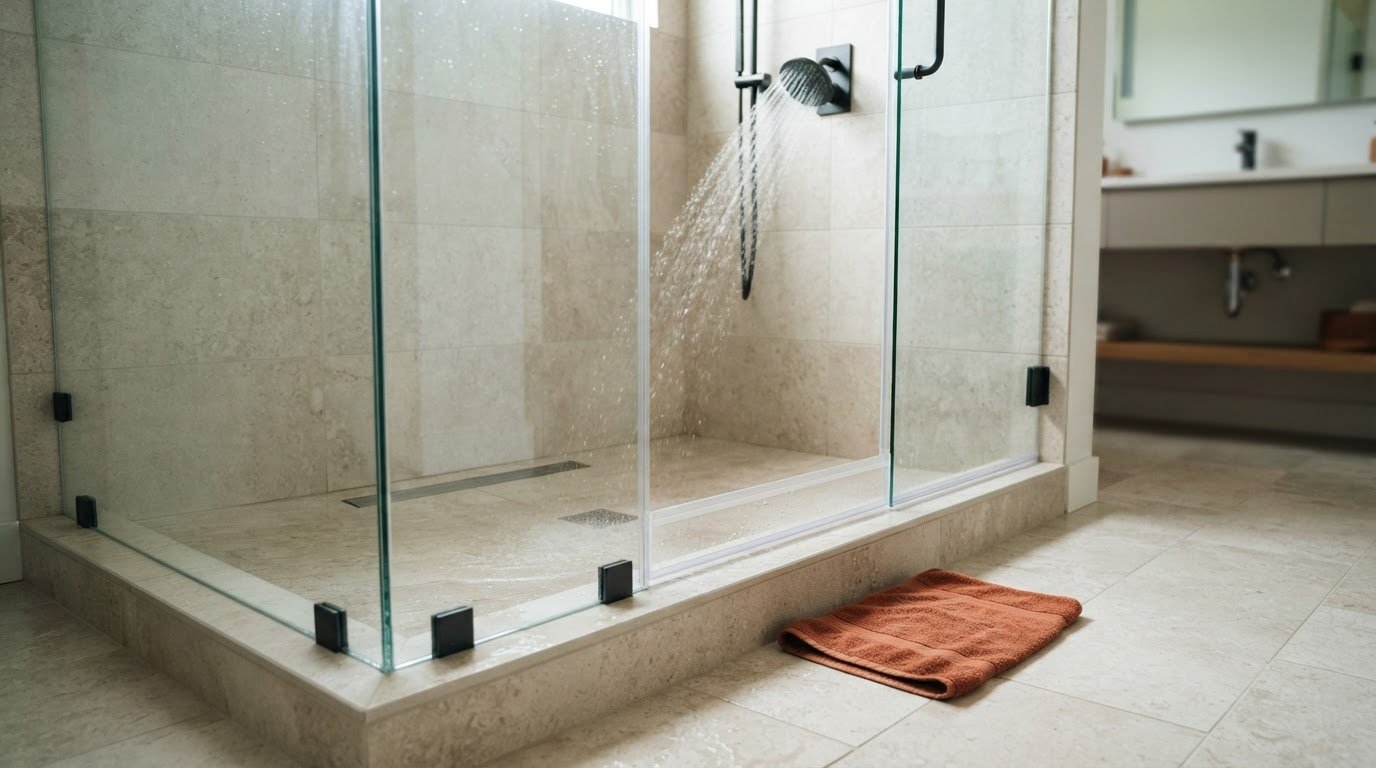
Laminated glass and security film
Choose a glass strategy based on whether you’re selecting a door or reinforcing existing patio-door glazing. Laminated glass and security film address glass vulnerability differently, and neither makes a door impossible to break into.
Consider laminated glass when selecting or replacing a patio-door glass panel. Its interlayer helps hold glass pieces together if the pane breaks, rather than leaving the same exposed opening as ordinary glass. This can make entry more difficult, but the frame, track and lock still matter. Treat glazing as one part of a complete security plan, not a substitute for a secure door assembly.
Consider security film if you want to reinforce existing patio-door glass. The film adds a tear-resistant layer that makes the glass more difficult to shatter, but it doesn’t make the pane unbreakable. It’s a retrofit option for existing glazing, while laminated glass is an option to consider when selecting glass. Decide which approach fits the door and the protection you want.
Assess the glass before choosing an upgrade. Weak patio-door glass can shatter easily, so look for cracks, damage or signs that the pane needs replacement. Security film reinforces existing glass; it doesn’t repair a damaged pane or address a weak frame. If the glass is compromised, address its condition before relying on film as part of your security measures.
Set realistic expectations for either option. Security film can delay shattering, while laminated glass is designed to keep broken pieces connected through its interlayer. Neither prevents someone from attacking the frame, lock or track. For example, a film-reinforced sliding panel still needs effective locking and protection against being lifted from its track. Pair glass improvements with door-specific hardware for more complete protection.
What are the most effective ways to secure sliding patio doors?
Layer practical barriers with detection and clear sightlines. Each measure addresses a different risk around the sliding panel.
Place a dowel in the sliding door’s track to stop the panel moving. It won’t prevent glass breakage or someone lifting the panel, so pair it with suitable track and glass protection. For a firmer barrier, a telescopic security bar sits horizontally to prevent the door from opening.
Use a patio-door security bar or jammer to brace the closed panel against the opposite wall. A security bar can make forcing the door more difficult. This helps if the lock fails, but it doesn’t stop someone from lifting the panel off its track. Position the bar so the door can still be opened from inside.
Consider an exterior security gate if you want a physical barrier in front of the glass and frame. A patio-door key lock offers another option: it lets you close the door from inside and requires a key to open it from outside. Choose measures that suit how household members use the entrance.
Add detection if a sliding door is part of your home’s security system. Options include door contact sensors, glass-break detectors, motion sensors and exterior cameras. Smart contact sensors, vibration detectors and smart alarm integrations can alert users when someone tampers with the patio door. Sensors detect activity; they don’t physically stop the panel from moving.
Improve visibility around the entrance by trimming shrubs that block sightlines. Motion-activated lights near a patio can also improve visibility and discourage someone from lingering by the door. For glass reinforcement, explore patio-door glass protection as part of a layered approach. Combine visibility, detection and physical barriers based on the door’s weak points.
Sunnyside Glass Solutions
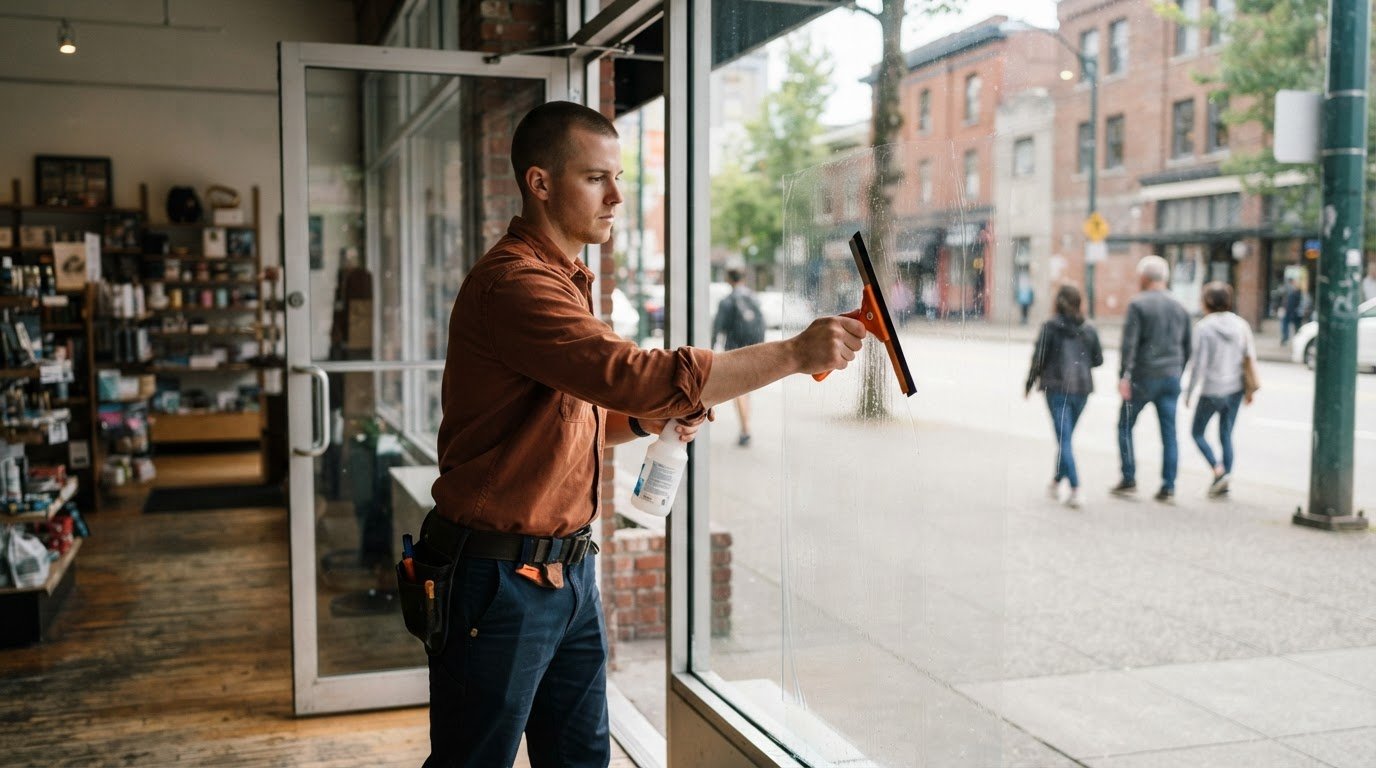
Sunnyside Glass Solutions Ltd. installs window film to reinforce existing glass and replaces sealed window units when glazing needs replacement. These services can address the glass as part of a broader security plan, complementing rather than replacing suitable locks, track protection or other door-specific measures.
If you’re weighing film against replacing a sealed glass unit, Sunnyside Glass Solutions Ltd. can help you consider the appropriate glass work for your patio-door concerns. For a practical next step, contact Sunnyside Glass Solutions Ltd. to discuss your project.
Make your next step fit your home
Choosing the best way to secure patio doors starts with how your household uses the entrance. Consider who needs to operate it, whether you open it for ventilation and which parts of the door concern you most. These priorities help you focus on an upgrade that suits daily use instead of adding hardware without a clear purpose.
It can also help to treat patio-door security as part of your home’s regular upkeep. If the glass needs attention or you’re considering film or replacement, Sunnyside Glass Solutions can discuss the glass work that fits your project. A practical next step is to address the concern that matters most while keeping the door usable for everyone at home.
Contact Sunnyside Glass Solutions to discuss your patio-door project and plan a suitable next step.
Frequently Asked Questions
What is the best lock for a patio door?
For a sliding patio door, a multi-point locking system is a strong option because it secures the panel at several points. If the door has only a standard latch, a secondary lock adds another locking point. The right setup depends on the door’s design and how you use it. For example, a key lock may suit a patio door used as an entrance.
How can I prevent a sliding patio door from being lifted off its track?
Use an anti-lift device suited to the sliding panel, and consider the rollers and track as part of the same system. If the panel feels loose or shifts in its frame, a lock alone won’t correct the fit. Reinforced rollers or track replacement may address the hardware involved. Avoid forcing a device into place, since it can interfere with the door’s movement.
What are the best locks for hinged patio doors?
Hinged patio doors are best secured with heavy-duty locks, while French patio doors benefit from multi-point locks paired with reinforced frames. The door material and frame condition matter too: steel or fibreglass hinged doors with heavy-duty locks offer solid protection. Whether you’re in Penticton, Kelowna, Summerland, Peachland, West Kelowna or Vancouver, assess the lock and frame together when considering an upgrade.
Comments